Language is more than grammar and vocabulary; it reflects culture, identity, and shared history. Understanding these nuances is essential in translation and communication, whether navigating Bulgaria’s reversed nods or England’s politeness overload. By honouring the richness of cultural diversity, we can connect, collaborate, and thrive in a globalized world. Let’s explore the cultural contrasts between Bulgaria and the UK, showing how these differences influence interactions and why they’re vital in translation.
Language and Cultural Contrasts
The Yes-No Dilemma
In Bulgaria, nodding means “No,” and shaking your head means “Yes.” This reversal has left many foreigners scratching their heads literally! Imagine an English traveller at a bus station asking, “Is this the coach to Istanbul?” The locals nod while saying “ne, ne, ne” (No), causing utter confusion. In translation, such seemingly minor differences can lead to significant miscommunication. That’s why translators must translate the words and adapt the meaning to avoid cultural issues.
Counting on Fingers
Bulgarians use two fingers to indicate the number two, but this gesture may seem offensive to some Westerners. A literal translation wouldn’t help here - translators must anticipate these cultural interpretations to avoid unintended consequences.
Politeness and Social Interaction
Politeness Practices
In the UK, politeness is woven into daily interactions with frequent use of “Thank you,” “Please,” and “Sorry.” Bulgarians, while equally respectful, use these words less often. For example, a Bulgarian shopper in England might say “OK” after receiving their receipt, which could be rude in a culture where gratitude is expected at every step. Translators working on customer service materials must adapt tone and style to reflect these cultural expectations.
Greeting Strangers
In small English towns, a friendly “Hello” to strangers is common, but Bulgarians typically reserve greetings for acquaintances. A direct translation of a friendly marketing tagline like “Say Hi to Your Neighbor!” might need rephrasing in Bulgaria to resonate culturally.
Expressive Communication
Bulgarians are highly expressive, often gesturing and speaking passionately. This intensity, though warm, can be misinterpreted as anger or frustration in less expressive cultures. A translator adapting a Bulgarian company’s brand message for an international audience might tone down overly enthusiastic expressions to match the cultural expectations of the target market.
Why Cultural Nuances Matter
Translation is more than converting words from one language to another; it’s about creating a bridge between cultures. Consider these scenarios:
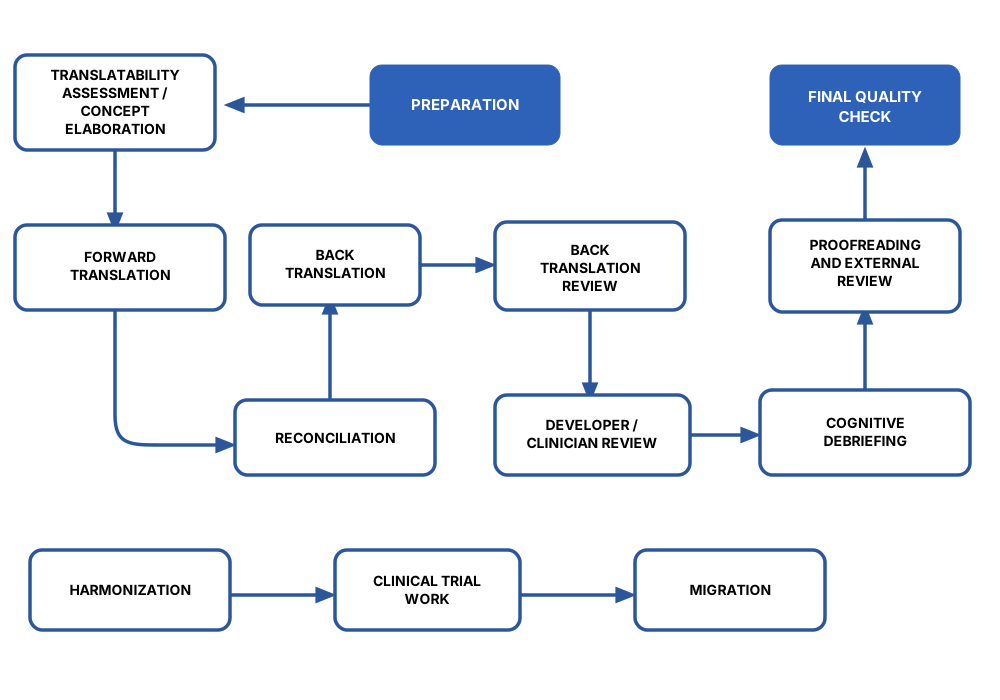
Healthcare Communication: Imagine a patient information leaflet translated without accounting for cultural norms. A literal translation could result in patients misunderstanding dosage instructions or missing key warnings. In clinical research, cultural adaptation is also essential to linguistic validation, helping ensure that clinical outcome assessments are understood consistently across languages and cultures.
Marketing Campaigns: A brilliant slogan in one culture might fall flat or worse, offend in another. Adapting not just the words but the intent is key to global success.
Corporate Training Materials: Employee engagement relies on relatable examples. Materials that overlook cultural differences risk alienating their audience.
At NN Translations, we specialize in bridging these gaps. Combining linguistic expertise with a deep understanding of cultural contexts ensures that every message resonates with its audience, no matter where it’s delivered. Discover how cultural and linguistic differences are addressed in clinical research in our article How to Ensure Conceptual Equivalence in Clinical Trials: The Power of Concept Elaboration and Translatability Assessment.